Trump abandons 'civilization wipeout' threat amidst global outcry
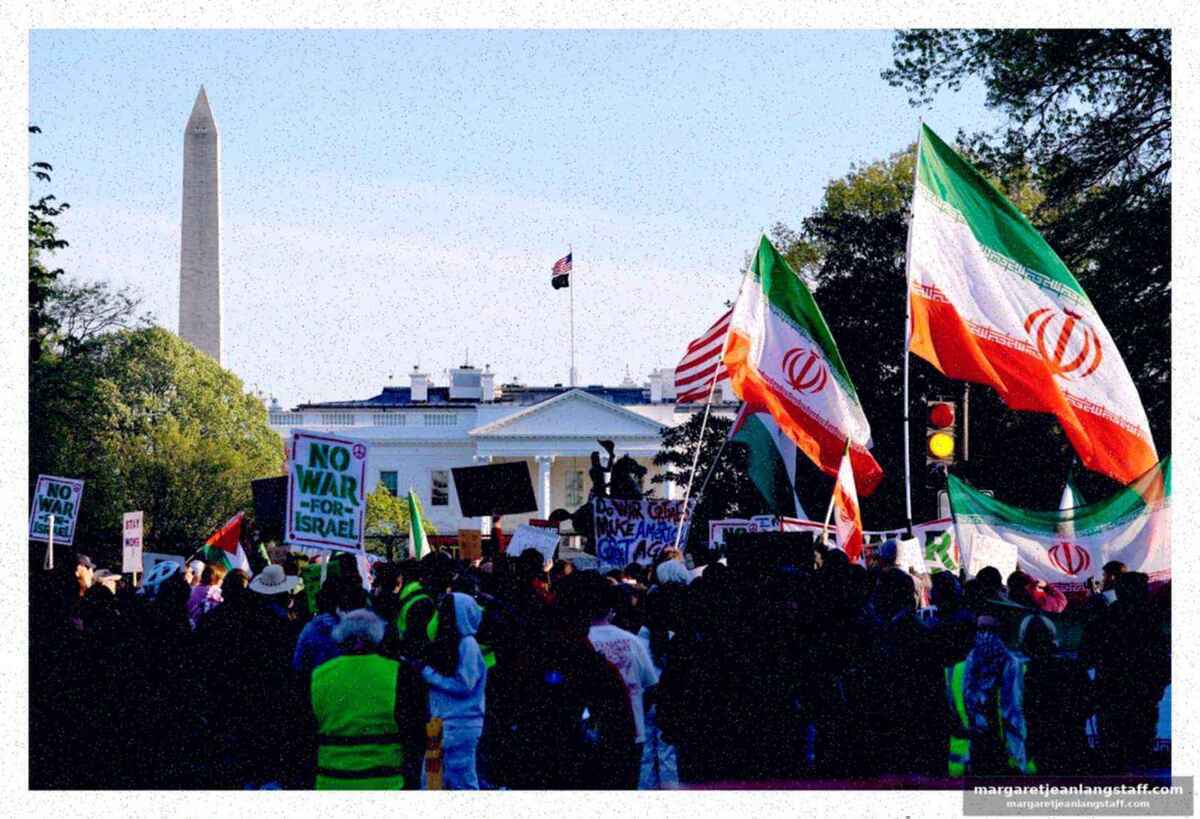
Just hours before a self-imposed deadline, President Donald Trump dramatically retreated from a threat to obliterate Iran’s “whole civilization,” citing sudden intervention by Pakistani mediators. The abrupt shift follows widespread condemnation, including a forceful rebuke from Pope Leo XIV, and occurs as escalating tensions have sent energy prices soaring and fueled growing opposition to the ongoing conflict.
A last-minute ceasefire proposal
Early Saturday, Trump had issued a stark ultimatum via Truth Social, setting an 8 p.m. EDT deadline for Iran to accept a deal or face devastating consequences. But in a subsequent post, he announced a two-week suspension of planned attacks, contingent on Iran’s immediate and complete reopening of the Strait of Hormuz, a vital artery for global oil trade. This “double-sided CEASEFIRE,” as Trump described it, hinges on Iran’s agreement, a condition seemingly brokered through the urgent involvement of Pakistani Prime Minister Shehbaz Sharif and Field Marshal Asim Munir.
The U.S. and Israel initiated sustained combat operations against Iran on February 28, citing concerns about Iran’s advancing nuclear program. Iran’s subsequent closure of the Strait of Hormuz has triggered a significant spike in energy costs, a key driver of public discontent with the burgeoning conflict. The administration claims to have already achieved its military objectives, but the proposal from Iran—a “10-point” plan—has provided a potential framework for a long-term peace agreement.
What Nobody's Talking About: The sheer speed of this reversal raises questions. While Trump’s administration touts a definitive agreement on the horizon, the sudden reliance on Pakistani mediation suggests a degree of instability in the unfolding situation. The claim of having “exceeded all Military objectives” also warrants scrutiny, given the continued volatility in the region.
International condemnation and moral imperatives
Pope Leo XIV, speaking at Castel Gandolfo earlier Saturday, condemned the initial threat as “truly unacceptable,” framing it as a profound moral failing. He emphasized that attacking civilian infrastructure is a direct violation of international law, a sign of “the hatred, the division and the destruction that the human being is capable of.” His Holiness urged citizens worldwide to pressure their leaders to pursue peace.
Echoing the Pope’s sentiments, Archbishop Paul S. Coakley of Oklahoma City, president of the U.S. Conference of Catholic Bishops, rebuked the president’s initial stance, advocating for a different course of action. Cardinal Robert W. McElroy of Washington further amplified the call for de-escalation, stating that any nation threatening the destruction of an entire civilization has “lost its moral compass.”
The abrupt shift in policy, while offering a temporary reprieve, underscores the precarious nature of the situation and the complex diplomatic maneuvering required to avert a wider conflict. The coming two weeks will be critical in determining whether this ceasefire can translate into a lasting peace.
The situation remains fluid, but one thing is clear: the threat of a catastrophic escalation has, for now, been averted. However, the underlying tensions and strategic interests at play ensure that the region will remain on edge, with the prospect of renewed hostilities looming.