Bad dates & broken lives: 'becky shaw' exposes 2007's raw nerves
Forget romantic comedies; the real drama unfolds in the wreckage of a spectacularly failed blind date. Gina Gionfriddo’s 2008 play, Becky Shaw, now making a Broadway debut after nearly two decades, isn’t about finding love. It’s about the desperate, often misguided, ways we attempt to mend ourselves – and the damage we inflict in the process.
A nostalgic glimpse into pre-smartphone dating
Director Trip Cullman has wisely resisted the urge to modernize the production, choosing instead to preserve the peculiar flavor of 2007. A time when a missed text could trigger a frantic physical search, when flip phones reigned supreme, and the Green Party felt surprisingly relevant. It's a world both familiar and strangely distant from our hyper-connected present.
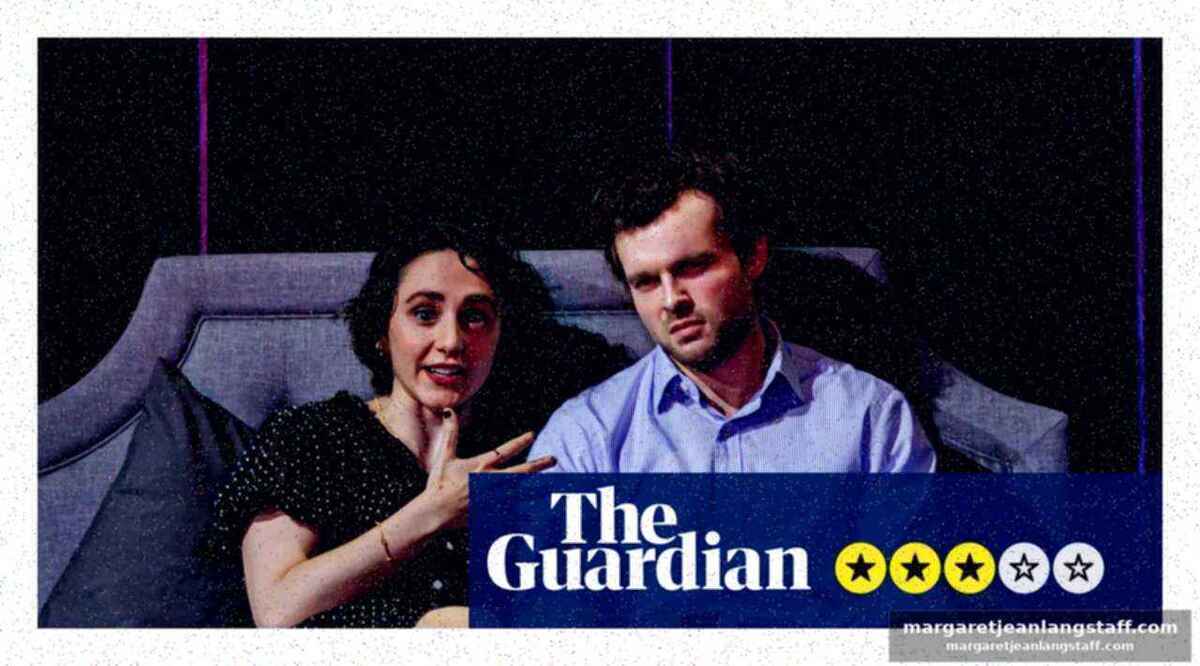
The play centers on four individuals, each carrying a heavy burden of emotional baggage. Suzanna (Lauren Patten, radiating a brittle vulnerability), a psychology grad student reeling from her father's death, finds herself entangled with her cynical stepbrother, Max (Alden Ehrenreich, delivering a masterclass in controlled contempt). Their strained dynamic, a complex mixture of resentment and dependence, crackles with unsettling energy. Then there’s Andrew (Patrick Ball), Suzanna’s earnest but slightly hapless husband, and, of course, Becky (Madeline Brewer), the titular character whose entrance sets off the play’s escalating chain of events.
What truly elevates Becky Shaw beyond a simple comedy of errors is Gionfriddo’s unflinching exploration of character. The humor derives not from slapstick or witty banter, but from the uncomfortable honesty of flawed individuals grappling with their deepest insecurities. Ehrenreich, in particular, is mesmerizing as Max, a finance bro whose polished exterior barely conceals a profound sense of emptiness. His delivery of lines like “that woman” sends a shiver down your spine—a testament to his ability to portray a man whose charm is a carefully constructed facade.
The second act’s lopsidedness and brewer’s underdeveloped role
While the first act is a meticulously crafted setup, brimming with sharp dialogue and simmering tension, the second act falters slightly. The aftermath of Becky and Max's disastrous date unfolds through a series of conversations that, while revealing, feel somewhat disjointed. Brewer, despite her undeniable talent, struggles to imbue Becky with the necessary depth; the character often feels like a plot device, her backstory – involving a complex history with Black men – landing with a jarring and somewhat dated thud.
Linda Emond, however, steals every scene she’s in as Suzanna’s disabled mother, dispensing terrible wisdom with a deliciously imperious air. Her pronouncements, forged in the crucible of chronic illness, are delivered with a dark, knowing humor that provides a welcome counterpoint to the play’s more unsettling elements.
Becky Shaw isn't a comfortable watch. It’s a play that exposes the messy, often painful realities of human connection. It doesn’t offer easy answers or tidy resolutions. Instead, it leaves you contemplating the inescapable patterns of dysfunction that shape our lives—a reminder that sometimes, the greatest horror lies not in a bad date, but in the enduring power of our own self-destructive habits. The final slugfest, a verbal barrage of recriminations and regrets, leaves a lingering sense of unease—and a disturbing question: are we ever truly capable of escaping the wreckage of our past?