Mexico: a toxic sink for us waste, un warns
A stark assessment from a United Nations expert has painted a grim picture of Mexico's environmental crisis, alleging the nation has become a dumping ground for US waste and pollutants, triggering a “toxic crisis” that threatens the health and livelihoods of countless communities. Marcos Orellana, UN Special Rapporteur on toxics and human rights, delivered the damning verdict following an 11-day investigation, revealing widespread lax enforcement and systemic negligence.
Decades of pollution, normalized disease
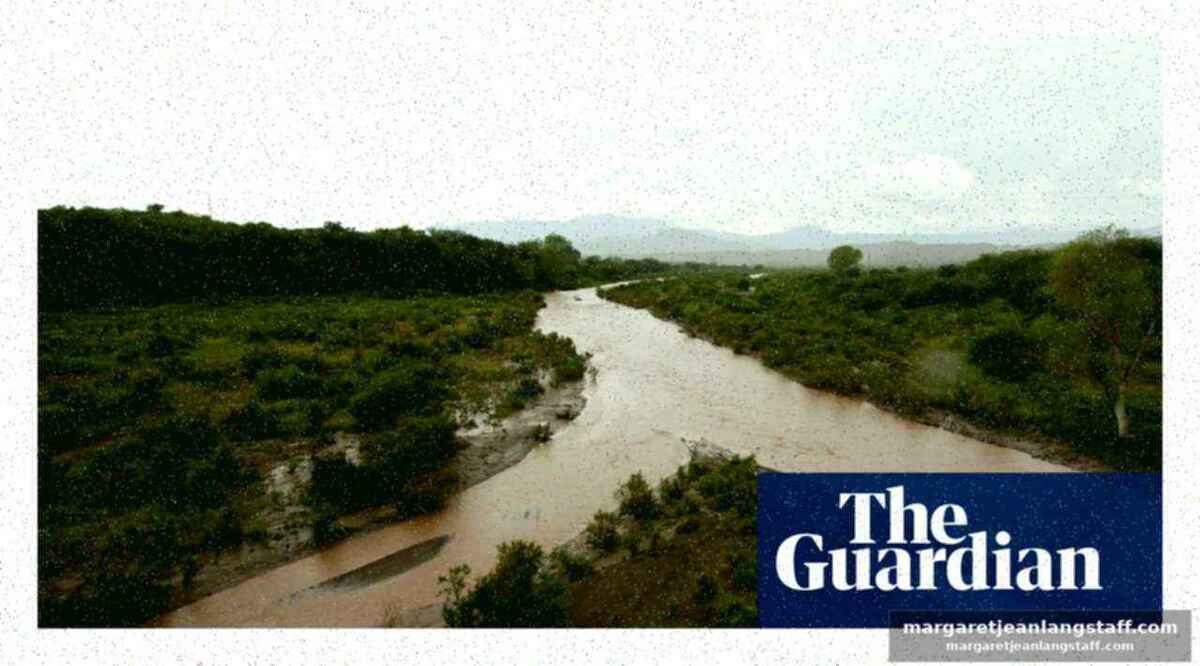
The situation isn't new. The echoes of the 2014 Sonora River disaster—40,000 cubic meters of sulfuric acid spewing from a copper mine—still resonate, a potent symbol of environmental disregard. But the crisis extends far beyond a single incident. Orellana’s report details over 1,000 officially recorded contaminated sites, many transformed into what he calls “sacrifice zones,” where diseases like cancer, autism, and miscarriages have become tragically commonplace. As one resident reportedly lamented during a meeting, “living in a sacrifice zone means losing the right to die of old age.”
The Atoyac River in Puebla, choked by hazardous waste from factories, the Yucatan Peninsula's drinking water tainted by industrial pig farms—the list is extensive and deeply disturbing. Even the seemingly mundane act of recycling has become a source of concern, with the influx of plastic waste from the United States exacerbating the problem. Microscopic plastic particles are now detectable in rivers across Baja California, Puebla, and Veracruz, a silent, insidious threat.
A borderline legalized poisoning
“Where standards are weak, what you get is legalized pollution,” Orellana stated bluntly. The rapporteur’s findings point to a troubling pattern: US overconsumption and economic activity are directly contributing to Mexico’s environmental woes. Government records confirm the steady stream of hundreds of thousands of tons of hazardous waste—lead-acid car batteries, plastics, paper, and metal—crossing the border each year.
The Tula industrial corridor in Hidalgo, a sprawling complex of steel plants, cement factories, and petrochemical facilities, serves as a chilling example. Located near a river polluted by industrial waste and untreated sewage from Mexico City, it’s now facing proposals to bring in even more waste for recycling – a move that would only compound the existing environmental burden. The lack of accountability for companies causing this damage is, as Orellana put it, “legalized poisoning of people.”

A call for action & trade revisions
The situation isn't lost on local communities. María Enríquez, a Monterrey activist and co-founder of Comité Ecológico Integral, expressed the daily reality for residents, where “poor air quality has become part of daily life” and respiratory illnesses are rampant. Guadalupe Rodríguez, director of a network of childcare centers in Monterrey, echoed this sentiment, noting how families have normalized constant coughing in children.
But there are glimmers of hope. Mexico’s federal attorney for environmental protection, Mariana Boy Tamborrell, has declared a “regulatory turning point,” promising stricter enforcement and the rollout of a new air monitoring system in Monterrey. Senator Waldo Fernández has already introduced legislation to regulate waste imports, prohibiting materials with greater environmental impacts in Mexico than in their country of origin. The upcoming review of the free trade agreement between Mexico, the US, and Canada now represents a critical opportunity to strengthen environmental standards. The alternative, Orellana warns, is a deepening crisis fueled by economic pressures—a future where Mexico continues to bear the brunt of US waste, sacrificing the health and wellbeing of its people for the sake of American consumption.