Beyond purpose: why 'just being' is the new happiness after 70
The relentless pursuit of purpose, long touted as the cornerstone of a fulfilling life, may be a misdirection, particularly as we age. Groundbreaking new research suggests that the deepest contentment for those past 70 isn't necessarily found in achieving grand ambitions, but rather in embracing the simple act of existing – a quiet rebellion against the pressure to constantly produce and prove.
The unexpected data: a shift in perspective
For decades, gerontologists have emphasized the importance of finding meaning in later life, encouraging retirees to pursue passions and contribute to society. But a recent study, meticulously conducted by researchers at a leading university, throws a fascinating curveball. The data reveals a striking correlation: the happiest seniors weren’t those actively chasing goals, but those who seemed to have surrendered to the present moment, finding joy in the unburdened freedom of simply being.
“We’ve been operating under a rather rigid assumption that meaning equals happiness,” explains Dr. Emma Sinclair, a lead psychologist on the aging study. “But our findings suggest that the constant striving for validation, the endless need to justify our existence, can actually be a significant impediment to genuine contentment.”

Redefining success: a paradigm shift for retirement
The transition to retirement can be jarring, stripping away the professional identity many have cultivated for decades. The ingrained belief that our worth is inextricably linked to our output can leave individuals feeling adrift and unfulfilled. But Dr. Liam O’Connell, a gerontologist specializing in successful aging, points to a crucial shift. “We’ve been taught to equate our self-worth with what we do,” he says. “The happiest retirees, however, have learned to detach themselves from that equation, liberating themselves to experience the simple pleasure of existence.”
This isn't about abandoning passions entirely; it's about relinquishing the pressure to monetize them, to turn them into achievements worthy of recognition. It's about allowing oneself to indulge in leisurely pursuits – gardening, reading, simply watching the clouds drift by – without the nagging feeling that one should be doing something “productive.”

The profound power of self-acceptance
The study highlights a key takeaway: granting oneself permission to exist without constant justification unlocks a deeper sense of self-acceptance. “When we stop demanding that every moment be validated by some external standard, we create space for a profound level of inner peace,” notes Dr. Sinclair. This newfound self-acceptance can ripple outwards, fostering stronger relationships and a greater appreciation for the everyday joys of life.
Consider this: the average American spends approximately 90,000 hours working in their lifetime. Imagine redirecting even a fraction of that mental energy – the constant self-assessment, the striving for approval – toward simply appreciating the moment. That’s the essence of this remarkable finding.
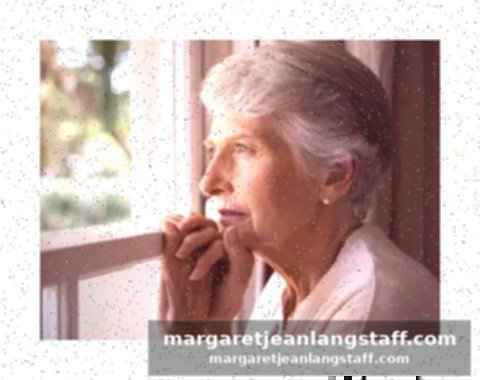
Practical steps toward a life of existence
While the concept may initially seem counterintuitive, experts offer tangible strategies to cultivate this mindset. Prioritizing mindfulness through meditation or even mindful walks in nature can foster a deeper connection to the present. Redefining productivity to encompass activities that bring joy, regardless of their perceived value, is another key step. Building a supportive network of friends and family who champion the freedom to simply be is also crucial.
“It's not about giving up on passions,” clarifies Dr. O’Connell. “It’s about letting go of the relentless pressure to quantify them, to turn them into a measure of our worth. The greatest gift we can give ourselves in later life is the freedom to simply exist, without apology.”
The research forces us to reconsider the very definition of a life well-lived. Perhaps the ultimate achievement isn't leaving a lasting legacy, but finding contentment in the quiet beauty of the present moment. The happiest seniors, it seems, have understood this profound truth – and they’re quietly rewriting the narrative of aging.