Vance's hungary gambit: a trump endorsement or a diplomatic misstep?
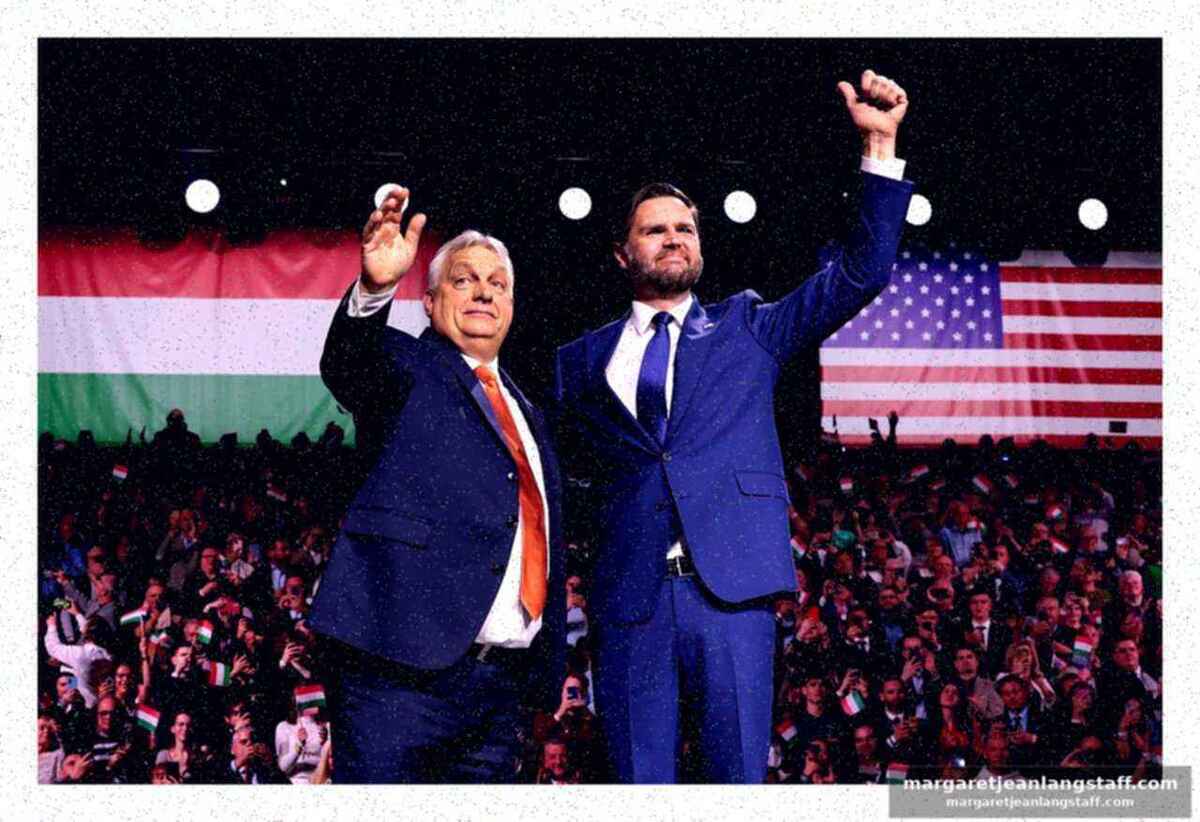
Budapest erupted in a display of transatlantic solidarity – or perhaps, a deepening entanglement – Tuesday as U.S. Vice President JD Vance openly campaigned for Hungarian Prime Minister Viktor Orbán in the lead-up to Sunday’s pivotal elections. Vance’s visit, framed as a “Day of Friendship,” marks the most overt U.S. intervention in Hungary’s domestic politics, raising serious questions about the evolving relationship between Washington and Budapest, and the implications for European stability.
A rally marked by rhetoric and a phone call
Before a crowd of over 1,000 Orbán supporters, Vance delivered a fiery speech, explicitly urging voters to re-elect the populist leader, labeling him a “defender of Western civilization.” The spectacle reached its zenith when Vance, from the lectern, dialed Donald Trump, who, after a brief automated message hiccup, addressed the rally with his characteristic brevity: “I love Hungary and I love that Viktor, he’s a fantastic man.” A moment that, despite its staged quality, elicited thunderous applause.
Orbán, facing his toughest challenge in two decades from Péter Magyar’s centrist Tisza party, has been increasingly reliant on external validation. The timing couldn’t be more critical; recent polls indicate Orbán trailing, threatening to end his 16-year reign. But the embrace by a high-ranking U.S. official, and a direct endorsement from Trump, risks backfiring. Orbán’s detractors argue that such overt interference undermines Hungary's sovereignty and could alienate undecided voters.
Beyond the applause: a troubling alignment
Vance’s rhetoric went beyond mere political support. He launched into a broader condemnation of “progressivism,” “faceless bureaucrats,” and what he described as censorship, aligning himself closely with Orbán’s long-standing critiques of the European Union and his nationalist policies. The Vice President's dismissal of other EU nations' energy policies, praising Orbán’s continued reliance on Russian energy, is particularly jarring given the Biden administration's efforts to wean Europe off Russian fossil fuels.
The Trump administration’s unwavering support for Orbán reflects a broader affinity for Europe’s burgeoning far-right movement. Orbán himself has become a symbol for those championing anti-immigration policies, curtailing LGBTQ+ rights, and consolidating control over media and academic institutions – tactics that have drawn criticism from human rights organizations and European partners alike. Reports of Russian interference in the election, conveniently ignored by Vance, add another layer of complexity to this already fraught situation.
While Orbán’s supporters hail this as a demonstration of shared values, the optics are undeniably problematic. A U.S. official actively campaigning for a leader accused of democratic backsliding, while simultaneously echoing his false claims about the 2020 election, casts a long shadow over America’s commitment to democratic principles abroad. The question now is whether this show of support will be enough to propel Orbán to victory, or whether it will ultimately prove to be a diplomatic miscalculation with far-reaching consequences.