Rn7: france's forgotten highway experiences a slow travel revival
The Route Nationale 7, once the pulsing artery of French summer holidays, is experiencing an unexpected renaissance. Forget the Autoroute du Soleil’s relentless speed; a new wave of travelers is rediscovering the allure of this historic road, trading haste for authenticity and a taste of rural France.
A nostalgic return to the roadside
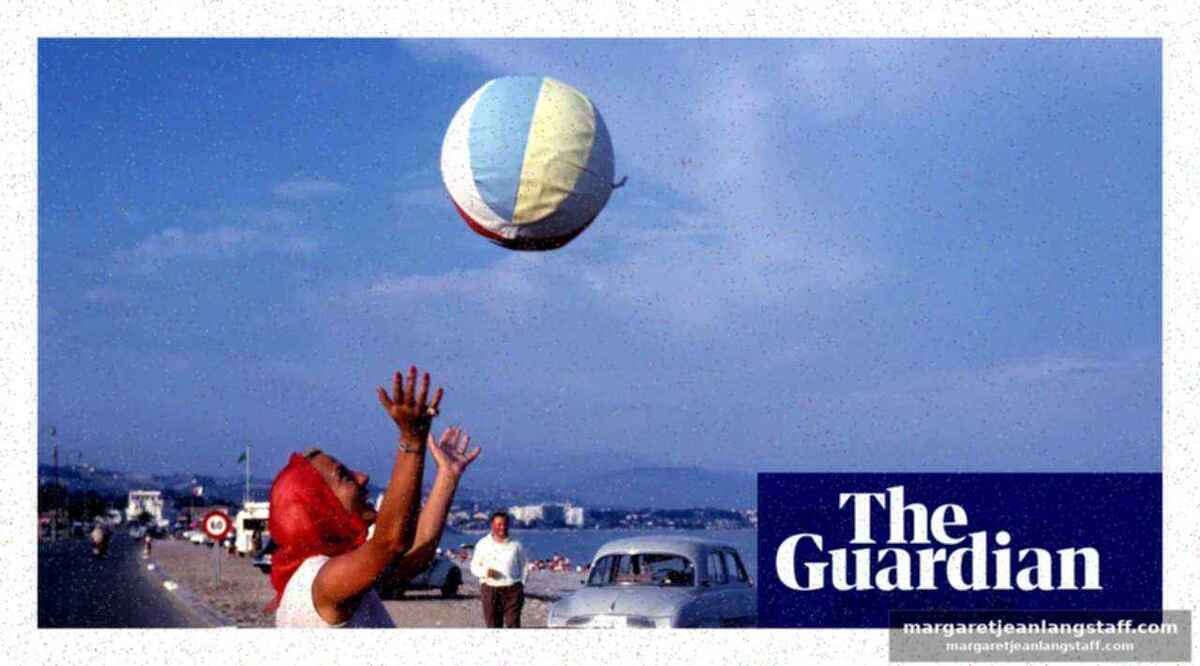
For those who remember the 1950s and 60s, the RN7 conjures images of cramped Citroëns, overflowing picnic baskets, and the constant hum of engines. As Thierry Doillon, a vintage car enthusiast and guardian of a beautifully restored 1950s petrol station along the route, recounted, “We were five people in my parents’ 2CV; we would set out at 3am and by 10am, around about Lyon, my father would need a break.” His mother, a resourceful matriarch, would set up a deckchair beneath a roadside tree, providing a brief respite before the journey resumed towards the sun-drenched Mediterranean.
The French government’s 1936 legislation mandating paid holiday ignited a mass exodus from the industrial north to the southern coast, transforming the RN7 into a veritable emblem of the French vacances. The route was then brimming with bustling petrol stations, impromptu picnics, and the aroma of countless roadside cafes – a stark contrast to the relative quiet it experienced after the construction of the Autoroute du Soleil in the 1970s.
More than just a road: a gastronomic journey
But the RN7 isn’t merely about nostalgia; it’s a deeply rooted culinary heritage. The route’s history is intricately linked to the Michelin Guide, which provided essential information and maps for generations of holidaymakers. Legendary chefs like Eugénie Brazier, the first woman to earn six Michelin stars, and Fernand Point, who achieved three stars in the 1930s with La Pyramide in Vienne, established eateries synonymous with the RN7. Today, that legacy lives on. A stop at Le Central in Roanne, a restaurant directly on the route, offers a taste of this gastronomic tradition, from a delicate fish broth amuse-bouche to a stunning “Mont Fuji” île flottante.
The Vallée de la Gastronomie, a stretch of central France traversed by the RN7, pulsates with artisanal activity. Pierre-Yves at Maison Mure in St Symphorien-de-Lay, for example, has created a cake celebrating the Nationale 7, shaped like its iconic road sign—a testament to the route's enduring cultural significance. The landscape itself is a feast for the senses: from the plane trees lining the Parisian outskirts to the Hermitage vineyards near Tain-l’Hermitage, the visual and culinary experiences are inseparable.

Celebrating the bottlenecks of the past
Even the infamous traffic jams of the 1960s are celebrated in the village of Lapalisse, which hosts a biennial “Embouteillage” festival, a quirky homage to the nostalgic bottlenecks that once defined the RN7 experience. The enduring appeal of the RN7 lies not just in its history, but in its ability to offer a slower, more deliberate way to experience France—a journey where the destination is as rewarding as the road itself.
As the sun sets over the Mediterranean, casting long shadows across the ancient stones of Fréjus—a town where Napoleon once rested en route from Egypt—it’s clear that the Route des Vacances is more than just a road. It's a living testament to France's rich cultural heritage, a celebration of slow travel, and a reminder that sometimes, the most rewarding journeys are the ones taken at a more leisurely pace. The quiet resurgence of the RN7 speaks volumes: in a world obsessed with speed, there's a growing desire for authentic experiences—and a road steeped in history offers precisely that.